
Nature Objectives
A10. Ecological network
Establishing an ecological network across the National Park will help sustain wildlife populations into the future. It will ensure that habitats and species are more resilient to climate change and human pressures – increasing connectivity and functionality – and will reduce conflicts between land uses as we seek to make optimum use of land in the National Park.
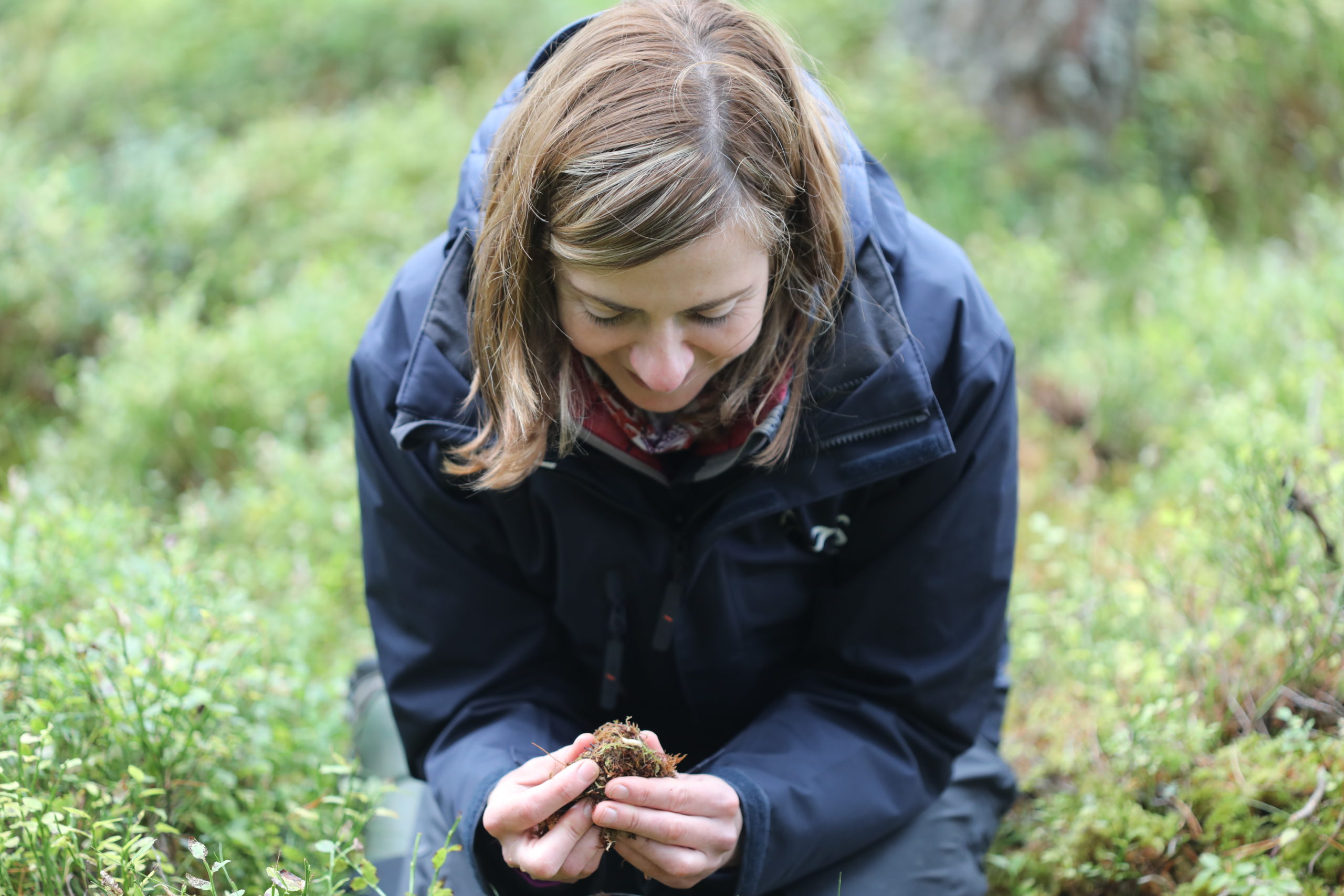
Projects that work at a wider landscape scale deliver benefits over large areas and require new ways of working between multiple land managers, owners, agencies and anyone else with an interest in land. It is essential that woodland, moorland, farmland and other land uses in the National Park are managed in collaboration with one another to benefit nature.
A revisited set of designated sites across the National Park should form the backbone of an ecological network and be at the centre of coordinated action across wider countryside management.
Key Objectives and targets
Objective
Connect habitats and ecosystems across all different types of land use in the National Park to create an ecological network, which will bring wider landscape, biodiversity and people benefits.
Target
Establish a framework for an ecological network across the National Park by 2025.
Actions By 2027
- Develop Cairngorms Nature Networks – a spatial mapping of potential strategic areas for expanding, enhancing and increasing connectivity of habitats and species in the National Park.
- Undertake a call for new nature restoration sites in the National Park that deliver ecological functionality and look to secure long-term funding.
- Review and develop our approach to designations in the National Park to help deliver ecological restoration and contribute to ecological networks and net zero, in line with the new Scottish Biodiversity Strategy.
- Develop NatureScot conservation advice packages.
Partners (alongside the Park Authority)
Cairngorms Nature partnership, NatureScot